SaaS Lead Generation Strategies for B2B Companies in 2026
A practical guide to SaaS lead generation strategies for established B2B companies, from LinkedIn positioning and targeted outreach to paid amplification that produces real pipeline.

Most B2B companies I talk to run into the same wall. Strong product, a value proposition they've settled on, and lead generation that's basically a patchwork. A few ads over here. An SDR firing off cold emails over there. The odd company-page post that nobody actually reads. Every piece does something on its own, but none of it stacks up into anything.
I'm Raphael Presberg, Founder and CEO of Moriah, a LinkedIn Certified Marketing Partner. We help established B2B companies turn LinkedIn into a real business engine, and over the years we've watched plenty of teams try to fix their SaaS lead generation one tactic at a time. It almost never works. The SaaS lead generation strategies that actually produce qualified pipeline aren't a longer to-do list of tactics. They're a smaller set of channels, run together, all pointed at one objective.
So this guide is about how to think through SaaS lead generation for a serious B2B company in 2026. What the strongest strategies tend to have in common, why single-channel efforts fizzle out, and how you build something that gets a little better every month instead of resetting itself every quarter.
What SaaS Lead Generation Really Means for B2B Companies
SaaS lead generation is the work of attracting qualified B2B buyers, earning their attention, and turning that attention into sales conversations with people who can actually sign off on a purchase. In B2B SaaS, a "lead" isn't an email address sitting on a list. It's a decision-maker who fits your ideal customer profile and is open to a conversation.
That distinction matters, because most lead generation advice is built around volume. Capture more emails, run more ads, book more demos. But a warehouse full of unqualified contacts doesn't move revenue. One good conversation with the right VP of Operations is worth more than a thousand newsletter signups, and it's not close.
The best SaaS lead generation strategies tend to share three traits:
- They target the buyer, not the market. They start from a specific decision-maker at a specific type of company, not a vague "anyone who might be interested."
- They pair credibility with directness. Buyers need to trust you before they'll take a call, and they need a clear reason to take it now rather than someday.
- They compound. Each month builds on the last. The audience grows, the reputation strengthens, the list of live conversations gets deeper.
Why Single-Channel Lead Generation Stalls
Here's the pattern I run into most. A B2B SaaS company decides to get serious about lead generation, picks one channel, and goes all in on it.
Pick content, and you'll publish thoughtful posts and articles and generate almost no business, because nobody's actively reaching out to the people reading them. The audience shows up. The conversation never starts.
Pick outreach, and you'll hire an SDR or buy a tool and start sending messages at volume and generate almost no business, because the recipients have never heard of you and have no reason to trust a stranger. The message lands cold and dies right there.
Neither of those is a failure of effort. Both teams worked hard. The problem is structural: content without activation produces no pipeline, and outreach without credibility produces no replies. The channels only start working when they reinforce each other.
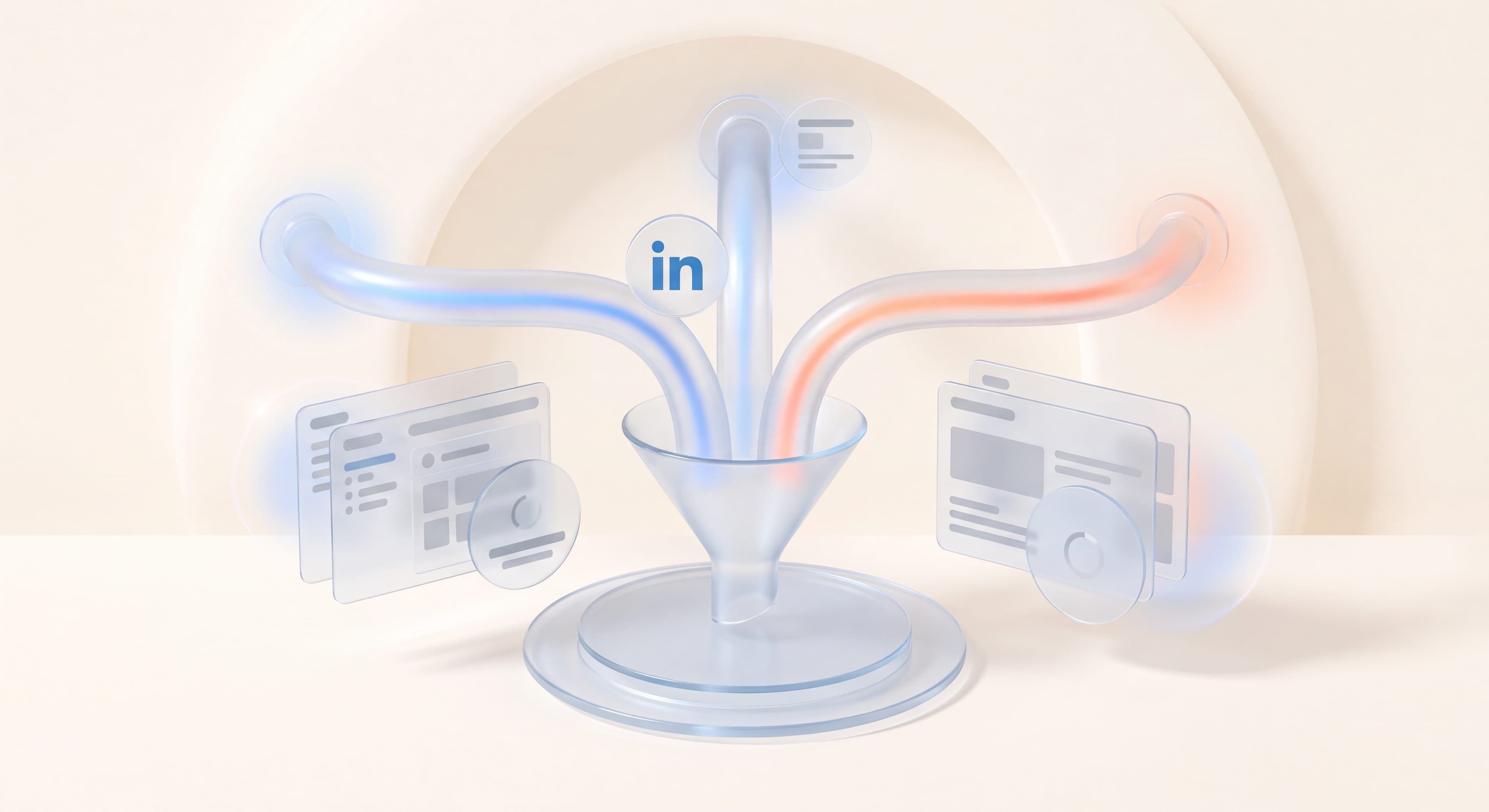
That's the whole idea behind any SaaS lead generation strategy that actually performs. You don't pick a channel. You build an engine where the channels feed one another, where the content makes the outreach warm and the outreach turns the audience into conversations.
The Three Strategies That Produce B2B SaaS Leads
For any lead generation objective beyond pure awareness, you need three things running in parallel: a credible presence, direct outreach, and paid amplification when it's relevant. At Moriah this is basically the whole model. We run all three together, in-house, aimed at one business objective. Here's why each one matters and how they fit together.
1. Executive Personal Branding (The Credibility Layer)
The most underused SaaS lead generation strategy out there is publishing from your leaders' personal profiles instead of your company page. And the gap isn't cosmetic. Content from a personal profile tends to perform 5 to 10 times better than the exact same content from a company page. Buyers follow people, not logos.
For B2B SaaS, that means your founder, your head of product, or your VP of Sales turns into a recognizable voice in your category. They share the thinking behind the product, the problems you solve, the mistakes they keep watching buyers make. Over time the audience that actually matters, your real buyers, starts recognizing the name before you ever reach out.
This is the layer that makes the rest work. When a prospect already knows your executive from their LinkedIn feed, a direct message from that person isn't cold. It's a familiar name asking a relevant question.
A few principles for the credibility layer:
- Post consistently. One to three times a week is plenty if the content actually says something.
- Lead with the buyer's problem, not your product's feature list.
- Keep it a real person's voice, not corporate announcements dressed up as thought leadership.
2. Targeted Outreach (The Conversation Layer)
Personal branding builds the audience. Targeted outreach turns that audience into conversations. This is where most SaaS lead generation strategies either click or come apart, and it usually comes down to channel choice.
Cold email is a numbers game with rough math: reply rates tend to sit around 1 to 3%. Direct LinkedIn outreach to qualified, well-chosen targets runs closer to 10 to 15%. That's not a rounding error. That's the difference between an SDR grinding through thousands of ignored emails and a handful of real conversations with the right decision-makers.
The word "targeted" is carrying a lot of weight here. Outreach at volume, fired at a sloppy list, just produces noise and torches your reputation. Outreach that works means:
- A precise target list. The specific roles at the specific type of company that fit your ideal customer profile.
- Messages tied to the recipient's actual situation, not a template blasted at everyone.
- A steady cadence instead of a one-time blast. Roughly 200 well-chosen messages a week keeps a real pipeline of conversations moving.
And this is the part people miss: outreach lands far better when the recipient has already seen your executive's content in their feed. The credibility layer and the conversation layer aren't two separate campaigns. They're two halves of the same motion.
3. LinkedIn Ads (The Amplification Layer)
Paid amplification is the third pillar, and the one to use with some restraint. LinkedIn Ads aren't the foundation of your SaaS lead generation. They're the accelerant you reach for when the objective calls for it.
Ads extend the reach of content that's already landing, put your offer in front of look-alike audiences, and pick up demand from buyers who aren't in your outreach list yet. Run on their own, ads for a company nobody recognizes are expensive and forgettable. Run on top of a credible executive presence and active outreach, they amplify a signal that already exists, and that's the point where paid spend actually converts.
The rule is simple: run ads when they serve the objective, not by default. Sometimes the right call is heavy on outreach and light on paid. Sometimes a launch or a push into a new market warrants real ad budget. The mix bends to whatever you're trying to achieve.
How to Build These Strategies Into One Engine
On their own, none of these three SaaS lead generation strategies is new. The edge comes from running them together, aimed at a single objective, so they compound instead of fighting each other for attention. Here's how to put the engine together.
- Start from one business objective. Not "more leads" in the abstract, but a concrete goal. Break into a new vertical. Fill the pipeline for a specific product line. Win conversations with a specific buyer persona. Every channel aims at the same target.
- Build the credibility layer first. Get your key executives publishing consistently so the audience starts to recognize them. This needs a few weeks to gain traction, so start early.
- Layer targeted outreach on top. Once there's a presence in the feed, start direct outreach to your qualified list. The warmth from the content tends to show up in reply rates right away.
- Add paid amplification where it helps. Use ads to extend the reach of your best content and pick up demand the outreach list doesn't cover.
- Measure, then adjust the mix. Watch which conversations convert and where they came from, and shift weight between the three pillars from there.
The reason this holds up is that the three layers cover the full buyer journey, awareness, trust, and the direct ask, without leaving gaps. A prospect sees your executive's thinking, recognizes the name, gets a relevant message, and takes the call. No single channel can walk a B2B buyer through all of that on its own.
Doing It In-House vs. Working With a Partner
You can build this engine internally, but make no mistake, it's a real operation. Someone has to produce executive content every week, manage a qualified outreach list and its cadence, run and tune ads, and keep all three coordinated so they reinforce each other instead of drifting into disconnected campaigns. Most B2B companies don't have that capacity sitting idle.
This is the work Moriah does for established B2B companies. We run personal branding, targeted outreach, and LinkedIn Ads together as one engine, strategy, content production, and execution, all in-house, pointed at whatever business objective the client actually has. Not a course, not a single-channel service, and not a tool you're left to operate yourself. We run the engine, you get the conversations.
We're honest about being selective, too. Your audience has to be genuinely active on LinkedIn, and you have to be established enough to have a real value proposition worth amplifying. When that fits, LinkedIn stops being a place you occasionally post to and becomes a channel that produces qualified B2B pipeline month after month.
If you're rethinking your SaaS lead generation strategy and want to see what this engine would look like for your company, book a call and we'll walk through it.
Frequently Asked Questions
What are the best SaaS lead generation strategies for B2B companies? The strongest ones combine three channels rather than leaning on one: executive personal branding to build credibility, targeted outreach to start conversations, and paid amplification when the objective calls for it. Run together and aimed at a single business objective, they produce qualified pipeline that compounds over time.
What is SaaS lead generation? SaaS lead generation is the work of attracting qualified B2B buyers, earning their trust, and turning that attention into sales conversations with real decision-makers. In B2B SaaS, a lead is a decision-maker who fits your ideal customer profile, not just an email address on a list.
Why do single-channel lead generation efforts fail? Because content without activation produces no pipeline, and outreach without credibility produces no replies. The channels only perform when they reinforce each other: the content makes the outreach warm, and the outreach turns the audience into conversations.
How do I generate B2B SaaS leads on LinkedIn? Publish consistently from your executives' personal profiles to build a recognizable presence, then run targeted outreach to a precise list of qualified decision-makers. Add LinkedIn Ads to amplify your best content when it serves the objective. It's the combination that turns LinkedIn into a lead source.
Why is personal branding better than company-page posts for lead generation? Content from a personal profile tends to perform 5 to 10 times better than the same content from a company page, because buyers follow people, not logos. A recognizable executive voice makes later outreach feel familiar instead of cold, which lifts reply rates.
Is cold email or LinkedIn outreach better for B2B SaaS leads? For qualified B2B targets, direct LinkedIn outreach usually earns 10 to 15% reply rates, against roughly 1 to 3% for cold email. LinkedIn outreach works especially well when the recipient has already seen your executive's content in their feed.
How many outreach messages should I send per week? For a serious B2B SaaS lead generation effort, a steady cadence of around 200 well-targeted LinkedIn messages a week keeps a real pipeline of conversations moving. Volume matters far less than precise targeting and messages tied to each recipient's actual situation.
When should I use LinkedIn Ads for SaaS lead generation? Use LinkedIn Ads to amplify content that's already resonating and to reach buyers outside your outreach list, deployed when the objective calls for it rather than by default. Ads convert best layered on top of an established executive presence and active outreach, not run in isolation.
How long does it take to see results from these strategies? The engine is built to launch, measure, and prove out. It needs enough time to gather real data points and show results, and the credibility layer in particular takes a few weeks to gain traction before outreach reply rates lift. But a well-run system compounds month over month instead of resetting each quarter.
Should I build my SaaS lead generation engine in-house or work with a partner? You can build it internally if you've got the capacity to produce executive content weekly, manage a targeted outreach cadence, run ads, and coordinate all three. Plenty of established B2B companies work with a specialized partner like Moriah instead, which runs personal branding, outreach, and ads together in-house against one business objective.